
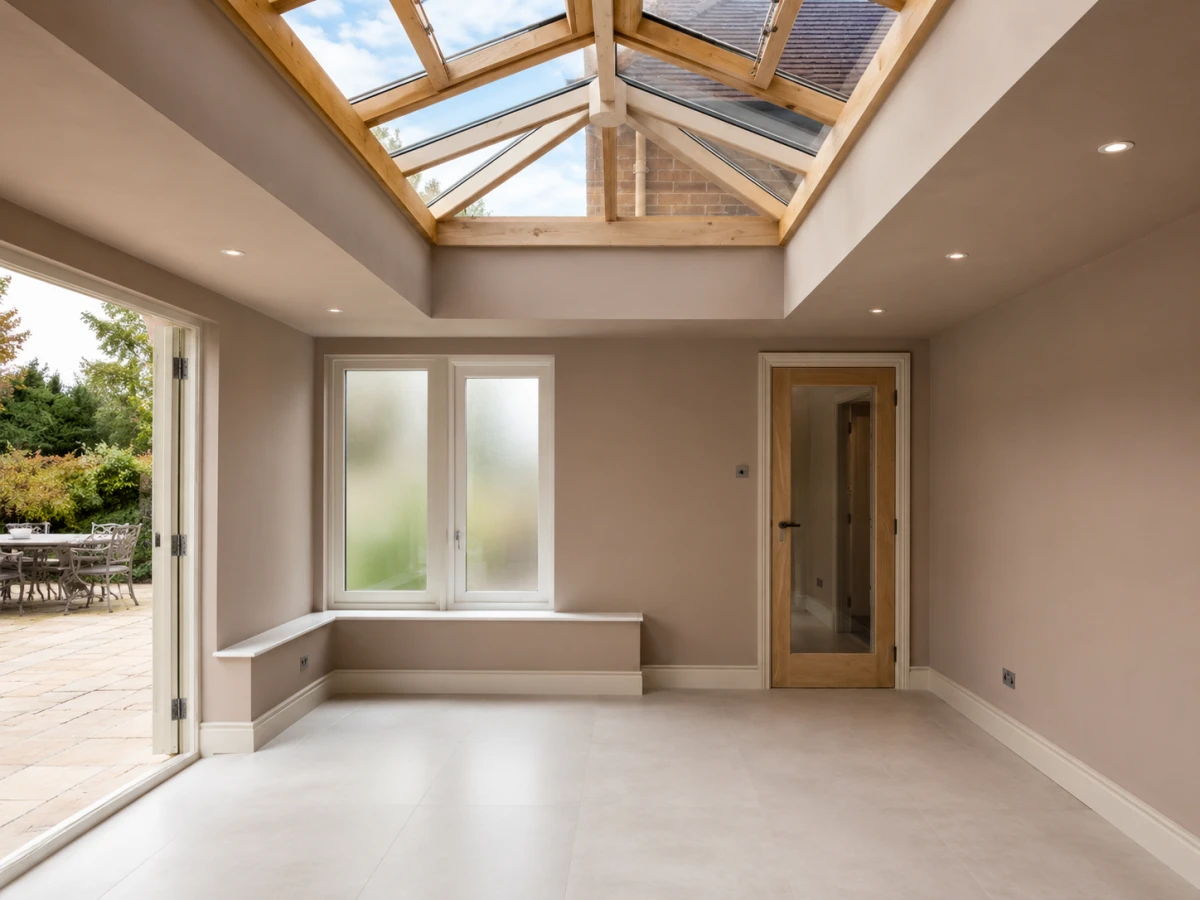
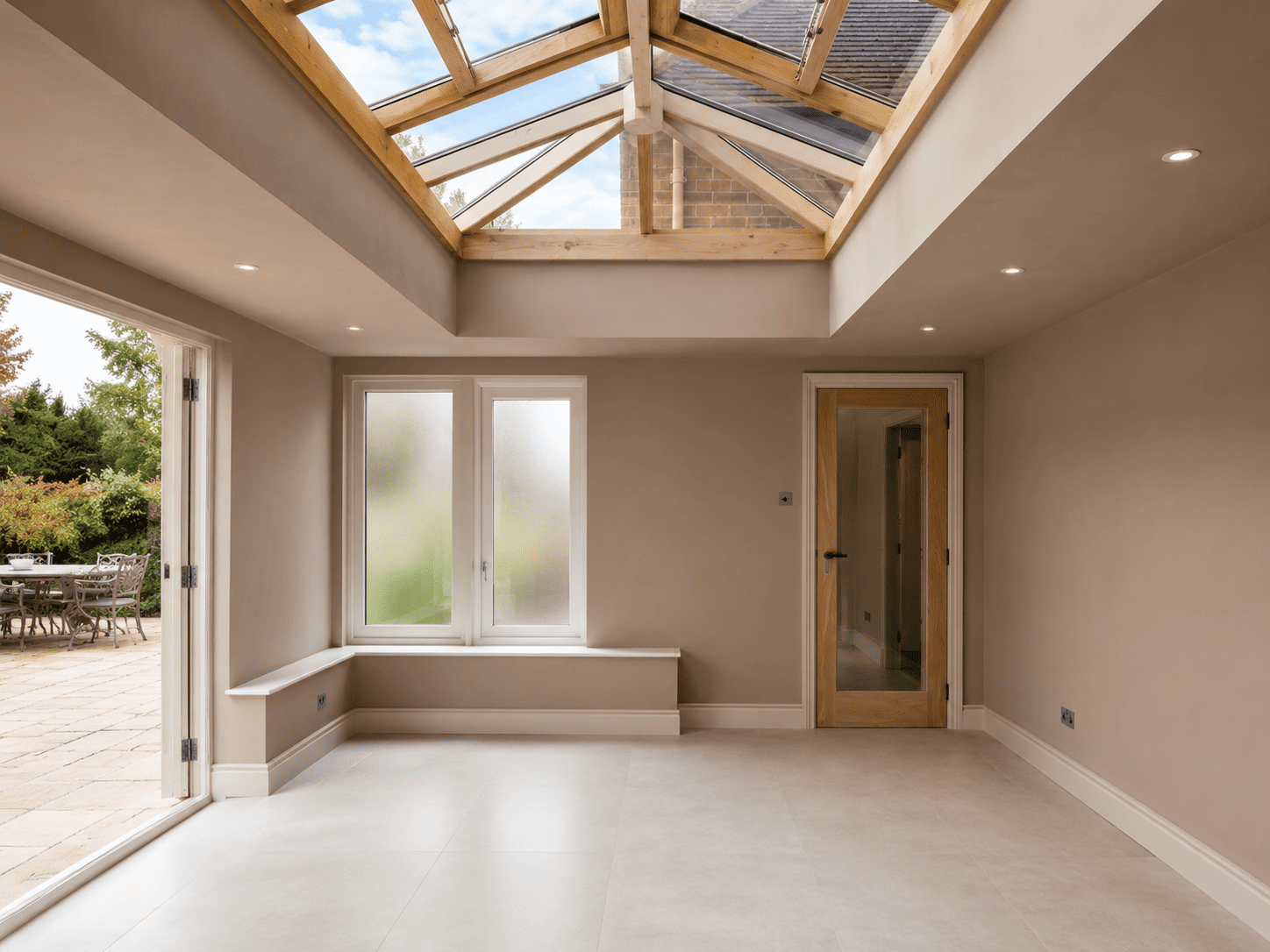
 Internal PlasteringIdeal for full rooms, renovations and larger internal makeovers where walls and ceilings need a fresh, consistent finish.Best for: Complete rooms & refurbishments
Expert plastering solutions
Professional Plastering Services in Bedford
Professional Plastering Services in Bedford
& Surrounding Areas
We provide high-quality plastering for homes, extensions and commercial properties. From internal plastering and skimming to plaster repairs, plasterboarding and new-build work, our aim is a smooth, durable finish that is ready for the next stage of your project.
Trusted by
Homeowners Across
Bedford & BeyondPlastering Specialists
Homeowners Across
Bedford & BeyondPlastering Specialists
Our Plastering Services
Choose the plastering solution that best fits your project. For specialist work, send us photos and we can advise on the right next step.
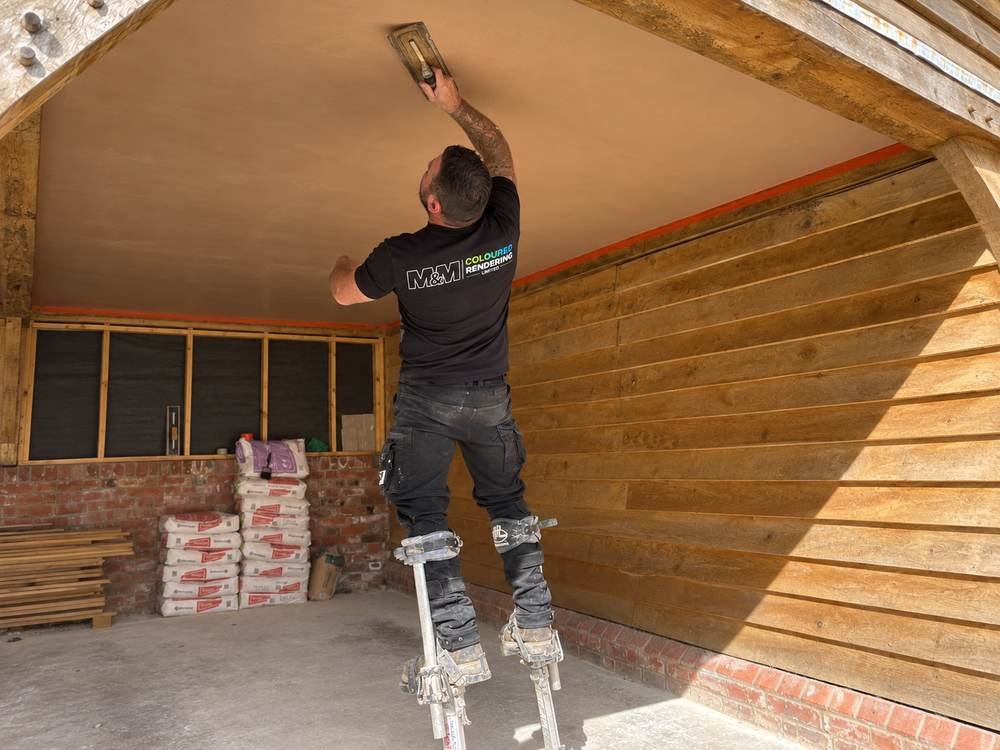
 Internal PlasteringSmooth, high-quality internal plastering for walls, ceilings and full rooms.View service
 SkimmingThin coat finishing for walls and ceilings to achieve a perfectly smooth surface.View service
 Dry LiningPlasterboard installation for walls, ceilings and partition systems.View service
 New Build PlasteringFull plastering services for new build homes, extensions and developments.View service
 Plaster RepairsProfessional repair of cracks, holes and damaged or blown plasterwork.View service
 Decorative FinishesDecorative plaster finishes and finishing details for feature areas and interiors.Ask about service
 Coving & CorniceCoving and cornice finishing to complete walls and ceilings neatly.View service
 Plasterboard Dot & DabFast, secure plasterboard installation using dot-and-dab where the substrate is suitable.Ask about service
Why Choose M&M for Plastering?
Good plastering depends on sound preparation, the right materials and careful finishing — not simply the final skim.

Experienced team
More than 20 years of hands-on rendering and plastering experience.

Quality materials
Reliable plastering products chosen for strong, consistent and durable finishes.

Precision finish
Careful preparation and finishing for smooth, paint-ready walls and ceilings.

Clean & tidy
Floors and surrounding areas are protected and the work area is kept organised.

Fully insured
Professional cover provides extra reassurance while work is being carried out.

Honest advice
Straightforward guidance on whether you need a repair, skim, boarding or a fuller replaster.
Which Plastering Option Is Right for Your Property?
Different rooms and surfaces need different solutions. The condition of the existing wall or ceiling usually determines whether you need a repair, skim, dry lining or a fuller plastering build-up.
Internal PlasteringIdeal for full rooms, renovations and larger internal makeovers where walls and ceilings need a fresh, consistent finish.Best for: Complete rooms & refurbishments
 SkimmingA thin finishing coat applied over suitable existing surfaces to create a smooth, paint-ready finish.Best for: Refreshing sound existing walls & ceilings
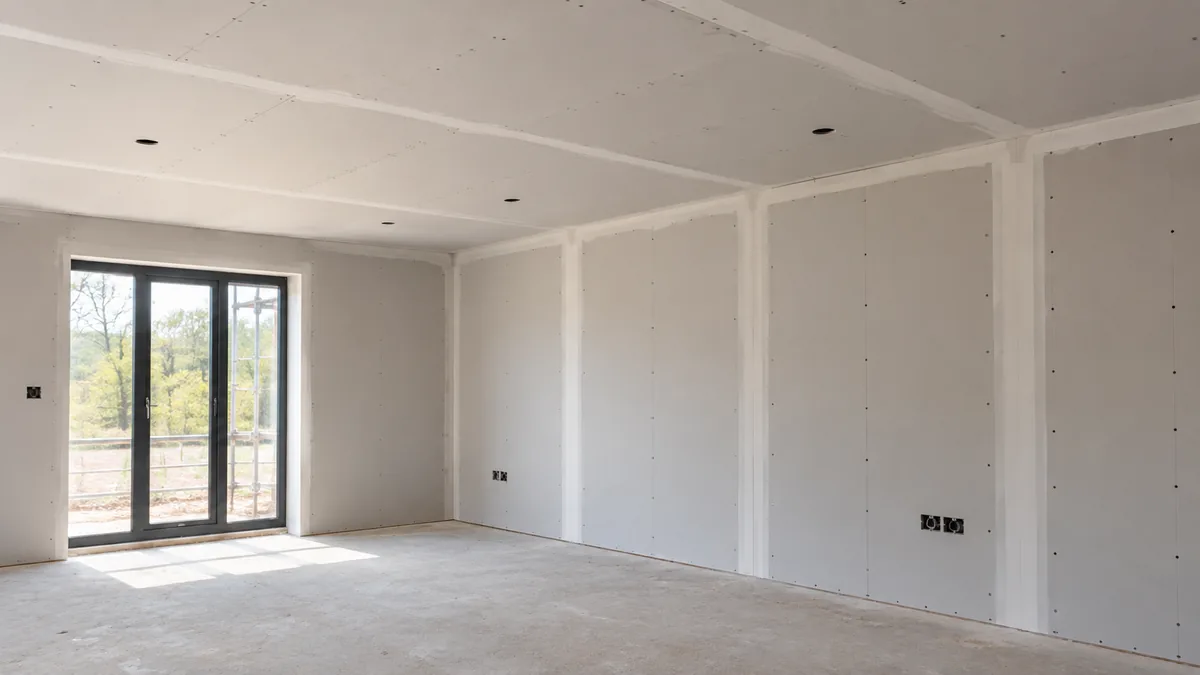 Dry LiningPlasterboard fixed to walls, ceilings or partitions to create a clean, straight surface ready for finishing.Best for: New partitions, extensions & uneven walls
 Coving & CorniceDecorative finishing around the junction between walls and ceilings for a more traditional or finished appearance.Best for: Decorative ceiling transitions
Not sure what you need?Send us a few photos or arrange a site visit. We can explain whether the surface needs skimming, repairing, boarding or a more complete replaster.Ask about your project
From first visit to finish
See Our Plastering Process
Our Plastering Process
A straightforward process helps produce a clean, even finish and keeps disruption around your property under control.
01
Consultation
We discuss the room, existing surfaces and the finish you want, then recommend the right approach.
02
Preparation
Surfaces are protected and prepared so plaster or plasterboard has the right base to perform properly.
03
Application
Plaster, skim or board work is applied carefully with attention to flatness, edges and detailing.
04
Finish & review
The finish is checked, the work area is cleaned down and sensible drying and decoration advice is given.
Proof in the finish
View all work Recent Plastering Projects
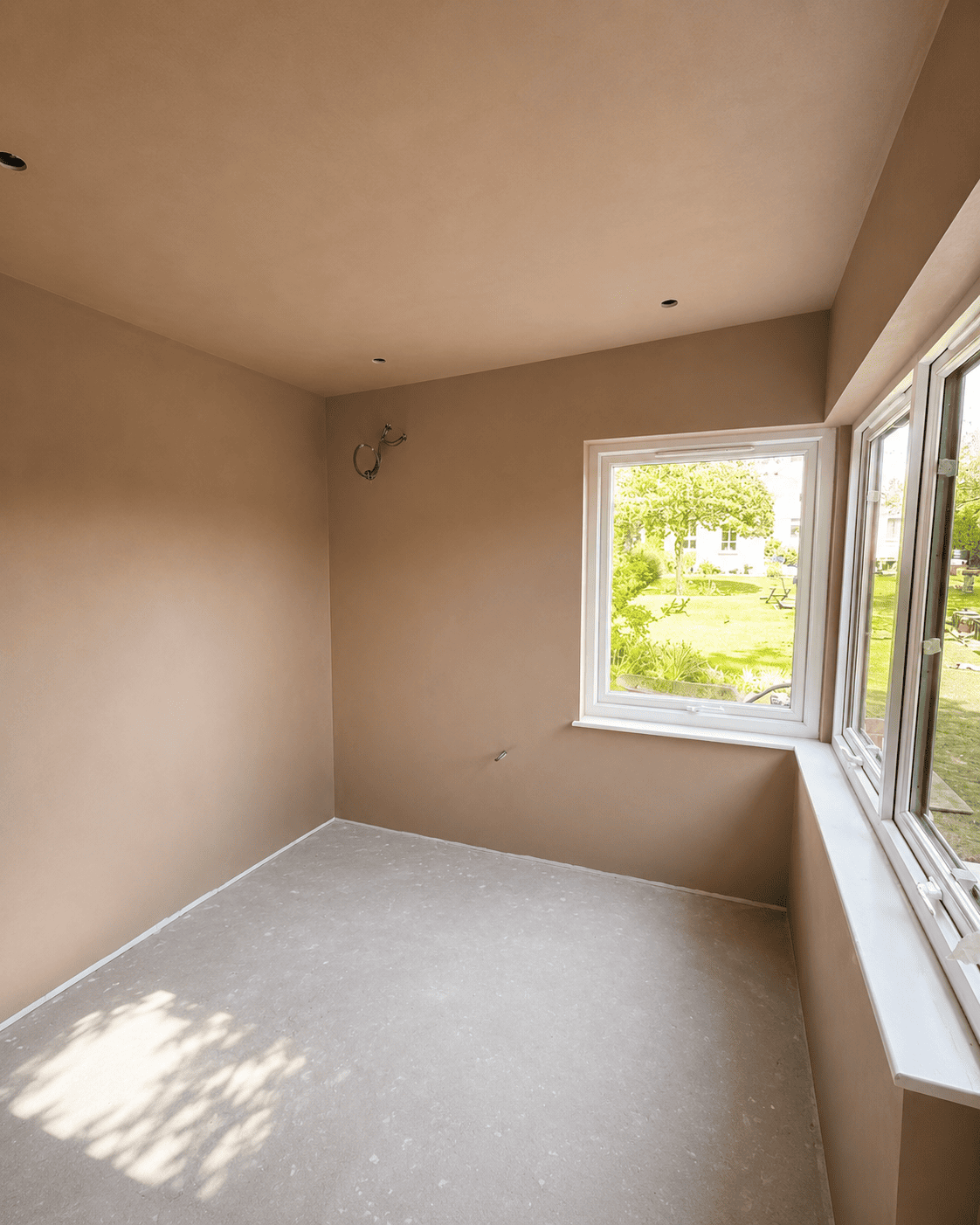
Expert Plastering for Homes, Extensions & Commercial Properties
A good plaster finish starts with the condition of the surface underneath. Cracks, loose plaster, uneven backgrounds, plasterboard joints and old textured finishes all need the right preparation before a smooth final coat can be achieved.
M&M provides plastering across Bedford and surrounding areas for individual rooms, renovations, repairs, extensions and new-build work. If your existing walls are sound but tired, our skimming service may be enough. For damaged areas, see plaster repairs; for larger projects, see extensions and new builds. If you are deciding between internal and external work, our guide to rendering vs plastering explains the difference.
- Internal plastering, skimming and dry lining
- Plaster repairs and patching
- New-build and extension plastering
- Free, no-obligation quotations
Common questions
View all FAQs
Plastering FAQs
How long does plaster need to dry before I can paint it?
Fresh plaster needs to fully dry out, not just look dry to the touch. As a rough guide, allow about a week per coat in normal conditions — a standard skim coat is often ready in around 5-7 days, longer in cold or damp weather or on larger areas. Painting too soon can trap moisture and cause the finish to blow or discolour. We'll advise on drying time for your job, and a diluted mist coat is usually the safe first coat once it's ready.
Can you plaster over artex or textured ceilings?
Yes — in most cases we can skim straight over sound artex to give a smooth, modern finish, saving the cost and mess of stripping it off first. If the artex is loose, cracked or contains asbestos (common in ceilings from the 1960s-80s), it may need testing and safe removal or encapsulation before we plaster. We'll check the condition during a site visit and advise on the safest, most cost-effective approach.
What's the difference between skimming and plasterboarding?
Skimming is the final smooth, paint-ready layer applied over a surface that's already solid and sound — existing plaster in good condition, blockwork, or plasterboard. Plasterboarding (dry lining) comes first where there isn't a suitable surface to skim onto, such as a new stud wall or a wall stripped back to bare brick: boards are fixed, joints taped and filled, then skimmed over the top. Most redecoration jobs only need skimming; boarding is only needed where the wall underneath isn't ready for it. We'll assess your walls and recommend the right approach.
Can you patch a small area of damaged plaster, or does the whole wall need redoing?
It depends on the extent and cause of the damage. A small, isolated crack or blown patch can usually be cut out and patched, then blended into the surrounding plaster so it's not visible once painted. If the damage is widespread, caused by damp that's likely to recur, or the existing plaster is generally soft or hollow, it's usually better value to replaster the whole wall rather than patch repeatedly. We'll give you an honest recommendation based on what we find.
How much mess does internal plastering cause?
Plastering is inevitably a bit dusty and wet since we mix and apply plaster on site, but we keep disruption to a minimum: dust sheets over floors and furniture, protection for doors, windows and fixtures, and a clean-down at the end of each day rather than leaving mess to build up. Rooms generally need to be cleared of furniture, or have it moved to the centre and covered, before we start. We'll talk you through what to prepare before work begins.
Free quotation
Get Your Free Plastering Quote Today
Tell us about the room, ceiling or plastering work and, if possible, send a few photographs. We will review the project and discuss the next step.
 Call
 WhatsApp
 Free Quote